




How to Express Your Identity Through Clothing
Clothing is one of the most immediate languages we have. Before we speak, before we introduce our work, before we explain our taste in music or our view of the world, our outfit has already started a conversation. It can whisper, provoke, protect, celebrate, or invite connection. Expressing identity through clothing is not about following every trend or building a wardrobe that looks impressive to other people. It is about making visual choices that feel honest, intentional, and alive.
For a brand like Sphoox, fashion is not a uniform. It is a creative system for people who move between music, technology, festival culture, street energy, and self-expression. The modern wardrobe is no longer divided into one identity for work, another for weekends, and another for nights out. Today, personal style is fluid. You can be minimal in shape and bold in accessories. You can be technical in fabric and emotional in color. You can wear a relaxed silhouette and still communicate confidence. The key is learning how to build outfits that reflect who you are, not who an algorithm says you should be.
Personal Style Starts With Self-Awareness
The first step to expressing identity through clothes is not shopping. It is observing. Ask yourself what you want your clothing to communicate. Do you want to feel powerful, free, mysterious, playful, artistic, grounded, experimental, elegant, rebellious, or calm? Your answer may change depending on the day, the event, or the season of your life. That is normal. Identity is not fixed, and style should not be either.
A useful exercise is to look at your favorite outfits and identify the common patterns. Maybe you are drawn to black layers, oversized shapes, metallic details, utility pockets, breathable fabrics, bold prints, or unexpected textures. Maybe your best looks combine comfort with a sense of performance, which is very common in festival fashion and city-ready streetwear. Sphoox pieces work naturally in this space because they are designed for people who want their clothing to feel expressive without sacrificing movement, energy, or individuality.
Use Color as an Emotional Signature
Color is one of the fastest ways to project identity. Neutral tones can create a sense of control, clarity, and versatility. Earth shades can feel grounded, warm, and connected to nature. Bright accents can signal openness, energy, and creative confidence. White can feel clean and architectural. Black can feel direct, protective, and timeless. The most powerful wardrobes often combine a reliable base palette with one or two signature colors that feel personal.
If you are building a wardrobe around identity, do not choose colors only because they are fashionable. Choose them because they support the version of yourself you want to inhabit. A festival outfit with a strong monochrome base and one intense accent can feel more memorable than a look that tries to include every trend at once. A Sphoox top layered with functional bottoms and distinctive accessories can become a visual anchor for your style when the color story feels intentional.
How to Build a Personal Color Code
Start with three categories: your base colors, your energy colors, and your detail colors. Base colors are the tones you can wear repeatedly without feeling bored. Energy colors are the shades that make you feel present and alive. Detail colors appear in trims, stitching, accessories, socks, bags, eyewear, or jewelry. When these three categories work together, your outfits look cohesive even when the individual pieces are expressive.
Silhouette Shapes the Message
Silhouette is the architecture of an outfit. It determines how your body moves through space and how others perceive your energy. Oversized clothing can communicate ease, confidence, and a refusal to be restricted. Tailored clothing can communicate precision and intention. Cropped shapes can add rhythm and openness. Long layers can create drama and movement. Technical silhouettes, often seen in festival and performance-inspired fashion, can suggest adaptability and future-facing creativity without feeling costume-like.
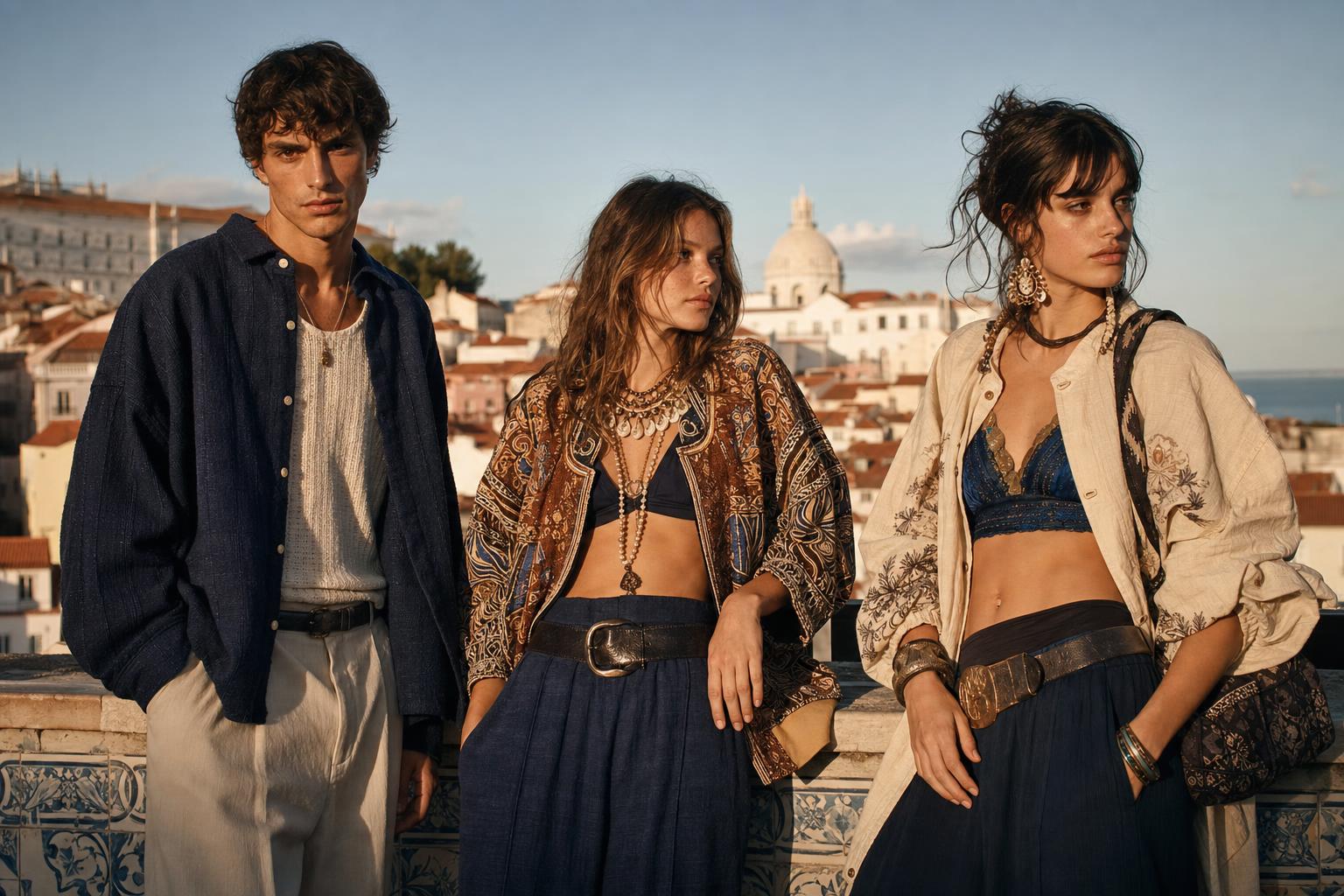
To express identity through silhouette, pay attention to contrast. A fitted top with wide-leg trousers can feel confident and balanced. A relaxed Sphoox layer over a streamlined base can create a look that feels spontaneous but curated. A structured jacket with soft, breathable pants can combine strength and comfort. Identity often lives in these contrasts: sharp and relaxed, minimal and expressive, practical and artistic.
Texture Makes Style Feel Real
Texture is what makes an outfit tactile. Smooth cotton, mesh panels, ripstop finishes, brushed fleece, denim, nylon, leather, knit, and hardware all communicate something different. Texture gives depth to simple colors and makes an outfit more memorable in real life. This is especially important in ecommerce and social media, where people often focus on color and shape, but the feeling of a garment is what determines whether it becomes part of your actual life.
If your identity is connected to movement, music, and open-air events, experiment with breathable textures and layers that respond well to long days. If your identity is more refined and minimal, use fewer textures but choose them carefully. A strong fabric can make a simple outfit feel exceptional. Sphoox products can be styled as expressive foundations when combined with tactile contrasts such as smooth trousers, structured outerwear, utility details, or soft accessories.
Clothing as a Bridge Between Online and Offline Identity
Many people now discover style through digital spaces first: moodboards, ecommerce edits, creator outfits, live music clips, and festival photography. But the most important test of personal style happens offline. Does the outfit feel like you when you are walking, dancing, traveling, meeting friends, or entering a room alone? Does it support your confidence when nobody is taking a photo? The strongest personal style is not just visually interesting. It is wearable, emotionally accurate, and connected to your daily rhythm.
Sphoox sits close to this intersection of fashion, technology, and cultural expression. The point is not to dress like an avatar. The point is to use the visual freedom of contemporary culture to create a wardrobe that belongs to your real life. Your clothes should help you move through both physical and digital spaces with consistency. When your outfit looks good on screen and still feels natural in person, you have found a powerful balance.
Build Outfits Around Rituals, Not Just Occasions
Traditional fashion advice often tells people to dress for occasions: work, dinner, party, festival, travel. That can be useful, but identity-based style goes deeper. It asks you to dress for rituals. What do you wear when you create? What do you wear when you need courage? What do you wear when you want to disappear for a while? What do you wear when you want to be seen?
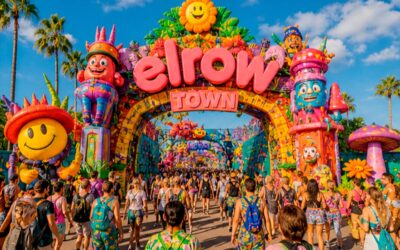
Festival fashion is a perfect example because it is not only about the event. It is about anticipation, movement, community, music, and memory. A festival look may include practical elements such as comfortable footwear, breathable layers, and secure pockets, but it also carries emotional meaning. A Sphoox piece can become part of that ritual when it helps you feel recognizable to yourself. The best outfit is not always the loudest. It is the one that makes your identity feel amplified rather than performed.
Create Style Formulas That Feel Like You
A style formula is a repeatable outfit structure that you can adapt. For example: statement top, relaxed trousers, clean sneakers, and one bold accessory. Or: monochrome base, textured outer layer, compact bag, and strong eyewear. Or: technical layer, soft tee, wide shorts, and minimal jewelry. Formulas do not limit creativity. They reduce decision fatigue and make your identity more consistent. Once you know your formulas, shopping becomes more intentional and styling becomes faster.
Accessories Are Identity Signals
Accessories often say what clothing only suggests. Sunglasses, jewelry, belts, scarves, bags, hats, and footwear can shift the meaning of an entire outfit. A clean look becomes sharper with metal details. A casual outfit becomes more editorial with sculptural eyewear. A festival outfit becomes more functional with a crossbody bag and durable footwear. Accessories are also useful if you are exploring identity but do not want to replace your full wardrobe at once.
The most modern approach is to choose accessories with a point of view. Avoid adding them only to fill space. Each accessory should have a reason: function, contrast, proportion, memory, or attitude. If your clothing is expressive, accessories can refine the look. If your clothing is minimal, accessories can provide the identity cue. This balance is central to the Sphoox mindset: open, creative, and individual without becoming chaotic.
Reject the Pressure to Be One Thing
One of the biggest myths about personal style is that you must define yourself with a single aesthetic. In reality, identity is layered. You can enjoy clean design and still love festival energy. You can appreciate classic shapes and still want experimental details. You can feel elegant in the morning and rebellious at night. The goal is not to lock yourself into one label. The goal is to create a wardrobe that can hold your complexity.
Instead of asking, What is my aesthetic, ask, What are my style values? Your values might be comfort, originality, adaptability, boldness, sustainability, sensuality, utility, or ease. Once you know your values, you can mix influences without losing yourself. Sphoox reflects this modern openness by embracing creativity, technology, independent identity, and clothes that are made to be experienced, not just displayed.
How to Shop With Identity in Mind
Identity-driven shopping is slower, smarter, and more satisfying. Before buying any piece, ask three questions. First, does this item connect with the way I want to feel? Second, can I style it with at least three things I already own? Third, will it still feel like me after the immediate excitement fades? These questions help you avoid trend fatigue and build a wardrobe with emotional continuity.
When exploring Sphoox products, think about their role in your personal system. Is the piece a main statement, a layering tool, a festival essential, or a daily signature? A strong wardrobe needs all of these roles. Not every item has to be dramatic. Sometimes the most valuable piece is the one that lets your stronger elements breathe. Other times, one expressive garment becomes the center of your look and sets the tone for the entire day.
Confidence Comes From Alignment
The most stylish people are not always wearing the most expensive or unusual clothes. They look compelling because there is alignment between the person, the outfit, and the context. Their clothing feels chosen, not accidental. It reflects posture, movement, taste, and intention. That is the real secret of expressing identity through clothing: alignment creates confidence.
You will know an outfit is aligned when you stop adjusting it emotionally. You are not wondering whether it is too much or not enough. You are simply present. That presence is magnetic. Whether you are walking into a music festival, meeting friends in the city, creating content, traveling, or building a new version of yourself, clothing can help you step into identity with more clarity.
Final Thoughts: Dress Like You Are Becoming Yourself
Expressing identity through clothing is an ongoing process. It changes as you change. Some pieces will stay with you for years because they capture something essential. Others will belong to a specific chapter and then make space for something new. Both are valuable. Style is not a destination; it is a living archive of who you have been, who you are, and who you are becoming.
With Sphoox, the invitation is simple: use fashion as a creative tool. Experiment with color, silhouette, texture, and attitude. Build outfits that support your real life and your imagined future. Let your wardrobe be open-minded, inventive, and personal. When clothing reflects identity, it becomes more than fabric. It becomes a signal, a memory, a rhythm, and a form of self-respect.